Patches That Blend Invisibly With Existing Walls
Drywall Installation & Repair in Tyler, TX, for homes where humidity and hard freezes crack walls every season
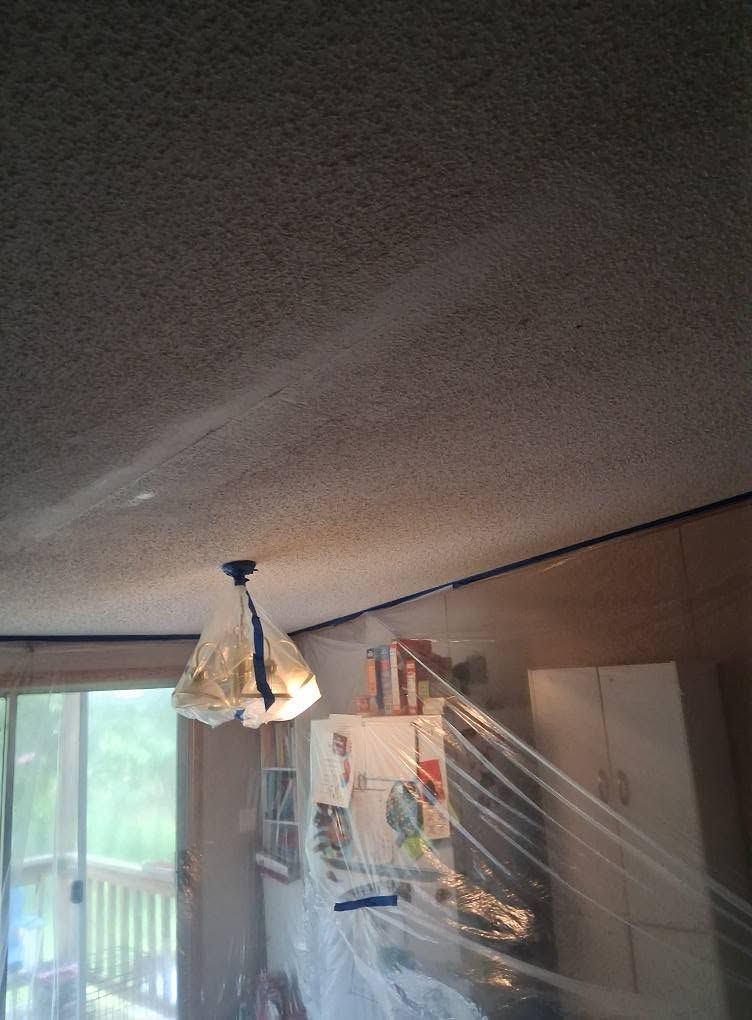
Hard freezes and Piney Woods humidity cause nail pops, cracks along seams, and moisture damage in East Texas drywall on a regular basis—repair demand is year-round, and most patches look obvious because the texture does not match or the joint compound shrinks and cracks within weeks. Bowlings Construction provides new drywall installation and seamless patch and texture matching for East Texas homes and renovations. Donnie has seven years of commercial framing and drywall experience including journeyman-level work, and he has been finishing walls at a professional level for decades. You get texture matching expertise that makes repairs blend invisibly with existing walls, not obvious patch lines that stand out under every light angle.
Drywall installation includes hanging sheets on new framing, taping and mudding seams, sanding smooth, and applying texture to match surrounding surfaces. Drywall repair involves cutting out damaged sections, backing with blocking or clips, taping and mudding the patch, and blending texture so the repair disappears into the wall.
Schedule an estimate to review drywall damage and discuss repair or replacement options for your home.
What Separates Professional Drywall from DIY Patches
The repair starts by cutting out the damaged section cleanly—no jagged edges, no crumbling gypsum left behind. Backing material gets installed behind the hole so the new patch has solid support on all edges, not just floating in space held by joint compound. Donnie tapes seams with paper or mesh depending on location and stress, then applies multiple coats of joint compound with drying time between each layer. Each coat gets feathered wider than the last so the buildup is gradual, not a visible hump that catches light.
After the compound dries and gets sanded smooth, you will notice that running your hand over the repair feels flat, not raised or sunken compared to the surrounding wall. Texture gets sprayed or hand-applied to match the existing finish—knockdown, orange peel, skip trowel, or smooth—so the patch blends when painted and does not announce itself under side lighting. The wall looks continuous, not obviously repaired.
New drywall installation follows the same standards—sheets get hung with screws spaced correctly to prevent sagging, seams land on studs or blocking for solid backing, and corners get reinforced with metal bead to prevent cracking. Commercial-grade skills applied to residential installs mean walls stay flat and seams stay invisible long after paint dries.
What Property Owners Ask About Drywall Work
Homeowners in Longview and Lindale ask similar questions when scheduling drywall repairs, especially when previous patches have failed or look worse than the original damage.
Why do drywall cracks keep coming back after repairs?
Cracks reappear when the underlying cause is not addressed—foundation settling, framing movement, or temperature swings that expand and contract the studs—taping over the crack without stabilizing the framing just delays the problem.
What is texture matching and why does it matter?
Texture matching involves replicating the spray pattern, trowel stroke, or knockdown style used on the rest of the wall so the repair blends visually—skipping this step leaves a smooth patch on a textured wall that stands out under every lighting condition.
Can you repair water-damaged drywall or does it need full replacement?
Water-damaged drywall needs replacement if the paper facing is delaminating, the gypsum core is crumbling, or mold is visible—repairing over compromised material just hides the problem temporarily.
How many coats of joint compound does a proper repair require?
Most repairs need at least three coats—one to fill the seam or hole, one to build up and feather the edges, and one to smooth and blend—each coat must dry completely before the next or the compound will crack as it cures.
Does the 2-year workmanship warranty cover cracks that develop later?
The warranty covers installation defects like improper taping, inadequate backing, or failed texture application—it does not cover cracks caused by ongoing foundation movement or structural issues that were present before the repair.
Bowlings Construction applies commercial-grade drywall skills to residential repairs and installs across East Texas, with journeyman-level finishing and a 2-year workmanship warranty on all work. Call Donnie to review your drywall damage and get a detailed estimate based on what your walls actually need.