
Bathrooms That Stay Dry Behind the Tile
Bathroom Remodeling in Tyler, TX, for homes where mold grows faster than grout cures
High humidity in East Texas does not just fog mirrors—it accelerates mold growth behind tile, inside walls, and under vinyl flooring in bathrooms that were not sealed correctly during the original install. Bowlings Construction inspects for mold and moisture damage inside walls before demo begins, because what you cannot see during a walkthrough often determines whether the remodel lasts five years or twenty. Donnie handles complete bathroom renovations from substrate prep to final grout seal, and the work gets done right from the framing up, not just at the surface.
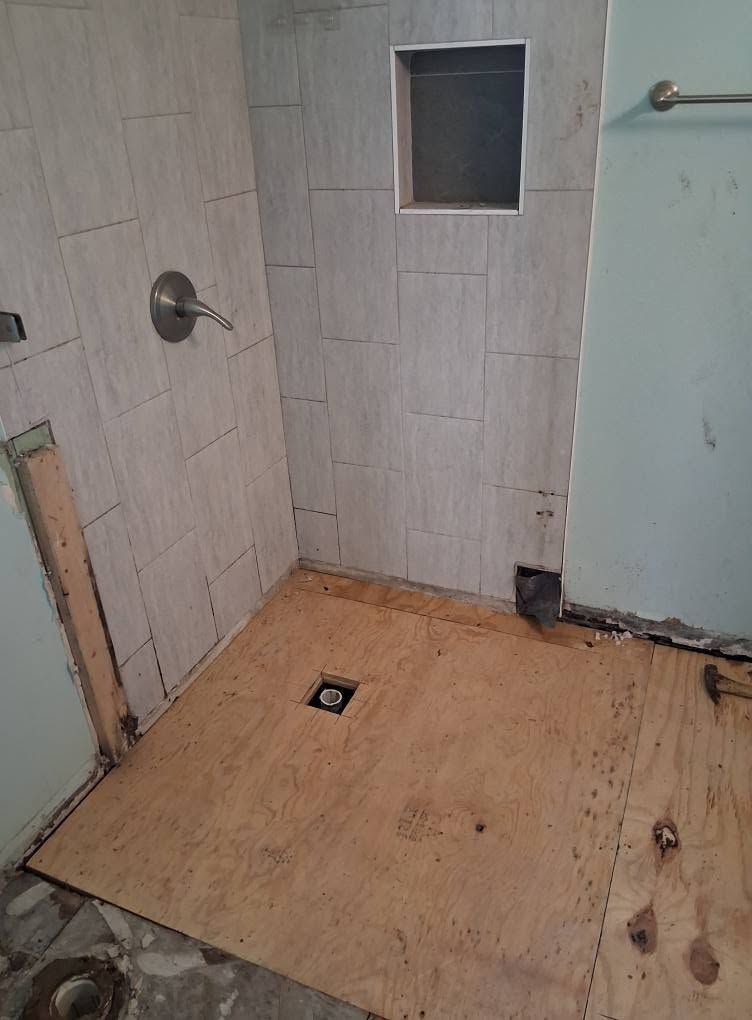
Bathroom remodeling starts with removing old tile, fixtures, and any water-damaged drywall or subfloor. Proper vapor barriers go in before new tile backer board gets screwed to studs, and pre-tile moisture inspection catches problems that would otherwise stay hidden until the next leak. You get a moisture-first approach to bathroom upgrades—not just a surface refresh.
Request an inspection to identify moisture concerns before planning your bathroom renovation.
Why Vapor Barriers Matter More Than Tile Choice
The bathroom comes apart in sections—vanity and toilet first, then tile if it is original or showing cracks, then drywall if moisture stains are visible or the wall feels soft when pushed. Donnie checks for mold behind the old tile and along the tub flange, because that is where water sits after every shower and wicks into untreated wood framing. Vapor barriers get installed on all exterior walls and around tub and shower enclosures before tile backer board goes up, creating a sealed envelope that keeps humid air from condensing inside the wall cavity.
After the vapor barrier and backer board are in place, you will notice that walls feel solid when tapped and tile adheres without hollow spots that crack under pressure. Grout lines stay clean longer because they are sealed with a mildew-resistant additive that does not break down in the first six months of use. The bathroom looks finished, but more importantly, it is built to handle the moisture load that East Texas puts on every bathroom year-round.
Fixture upgrades and layout changes can happen during the remodel if plumbing access allows it, but Donnie will walk you through what is realistic based on your existing drain and supply line locations. Moving a toilet or shower pan requires cutting into the slab or subfloor, which adds time and cost but solves layout problems that have bothered you for years.
What Homeowners Need to Know Before Starting
Bathroom remodels in Kilgore and Tyler, TX, raise similar questions, especially for homeowners who have ignored small leaks or mold spots and are now facing a full gut-and-replace situation.
How do I know if there is mold behind my bathroom tile?
Donnie inspects the wall cavity during demo, but warning signs before that include musty odors that do not go away, discolored grout lines, or soft drywall around the tub or shower—those all point to moisture intrusion that has been happening for months or years.
What is a vapor barrier and why does it cost extra?
A vapor barrier is a plastic or foil sheet installed between the wall studs and the tile backer board to prevent humid air from condensing inside the wall—it costs extra because it requires careful sealing at seams and penetrations, but it is the difference between a bathroom that lasts twenty years and one that needs another remodel in five.
Can you match the tile in the rest of the house?
Matching existing tile depends on whether the manufacturer still produces that style and size—if not, Donnie will show you options that blend visually and install the same way so the transition between old and new is not obvious.
Why do some bathroom remodels fail within a few years?
Most failures trace back to skipped prep work—no vapor barrier, insufficient adhesive coverage, unsealed grout lines, or improper slope on shower pans—all of which allow water to reach wood framing and start the rot process.
Does the 2-year workmanship warranty cover grout cracking?
The warranty covers installation defects like tile delamination, improper slope, or failed seals around fixtures—it does not cover grout cracks caused by house settling or impacts, but those are repairable without tearing out the whole install.
Bowlings Construction approaches bathroom remodeling with the same moisture-first standards Donnie learned during his commercial construction years, backed by a 2-year workmanship warranty and upfront communication about what your bathroom actually needs. Call to schedule an inspection and estimate for your bathroom project in East Texas.